
Water Softeners in Cyprus
WATER SOFTENERS CYPRUS
Water Softener Systems Cyprus — Reduce Hard Water, Limescale and Appliance Damage
Water softeners in Cyprus reduce the calcium and magnesium hardness that causes limescale. A correctly sized system helps protect taps, shower glass, boilers, solar water heaters and water-using appliances throughout your property.
The correct system depends on measured hardness, daily water use, peak flow and installation conditions. WaterFilterNet can test your water and help size the right system before you order.
What does a water softener do?
A conventional water softener uses ion exchange to reduce calcium and magnesium — the minerals responsible for hard water and most limescale. Reducing these minerals helps limit new scale formation throughout the property and protects plumbing, heating equipment and water-using appliances.
✔ Free Delivery Across Cyprus
✔ Water Hardness Testing
✔ Professional Installation at Extra Cost
✔ Cyprus-Based Support
Showing all 7 results


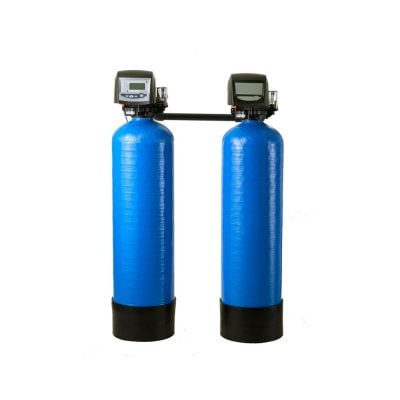
Reduce Limescale
Water softeners reduce the calcium and magnesium minerals responsible for limescale on taps, shower glass, boilers, solar water heaters and other surfaces.
Protect Appliances
A correctly sized softener can help protect washing machines, dishwashers, boilers, coffee equipment and other water-using appliances from scale build-up.
Homes & Businesses
Systems can be sized for apartments, family homes, villas and commercial properties where hard water creates maintenance or operational problems.
Test Before Choosing
Water hardness should be measured before sizing a softener. This helps avoid choosing a system that is too small, unnecessarily large or incorrectly programmed.
Book a free water test →
Which Water Softener Is Right for Your Home?
There is no single water softener size that is correct for every Cyprus property. The right system depends on measured hardness, daily water use, peak flow, number of bathrooms and available installation space.
| Property / Use | Recommended Direction | Best For | Important Note |
|---|---|---|---|
| Apartment or smaller home | 25L Compact Water Softener |
Smaller households, moderate consumption and installations with limited space | Confirm hardness, daily use and peak flow before ordering. |
| Family home | Ecosoft 30L with Clack WS1 |
Typical household use, several appliances and whole-property limescale protection | Check occupants, bathrooms, hardness and simultaneous water demand. |
| Villa or larger home | Larger-capacity water softener | More bathrooms, greater daily consumption and higher peak flow | Capacity should be based on actual hardness load and water demand. |
| Large villa or high water demand | Twin Water Softener |
Higher-demand properties where more continuous softened-water availability is important | Peak flow, valve capacity and regeneration requirements must be checked. |
| Commercial property | Commercial Water Softener | Cafés, restaurants, laundries and other higher-demand applications | Sizing should use real daily demand, hardness, peak flow and equipment requirements. |
Water Softener Prices in Cyprus
Water softener prices in Cyprus depend on resin capacity, control valve, required flow rate and system configuration. Correct sizing is important because buying only by price can result in a system that is poorly matched to the property.
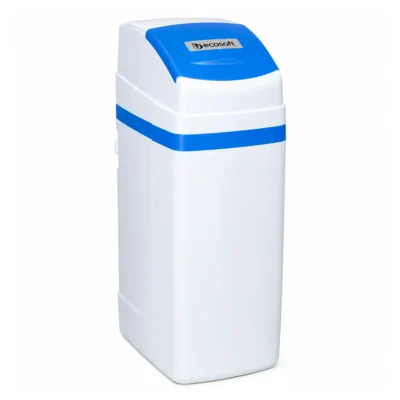
25L Compact Water Softener
€1,200
A compact cabinet option for smaller homes and installations where available space is limited.
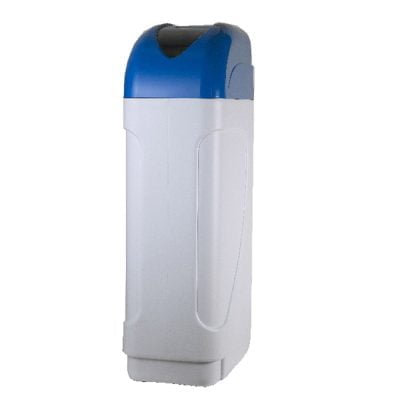
Ecosoft 30L — Clack WS1
€1,200
A 30-litre residential water softener using a Clack WS1 control valve.
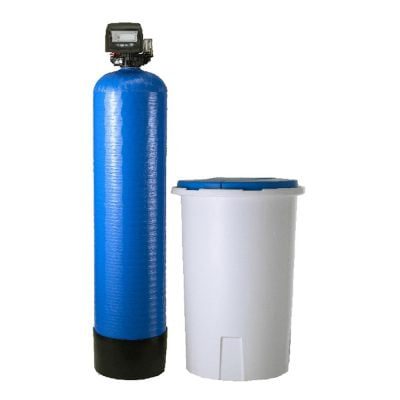
Larger & Twin Systems
Sized Individually
Larger-capacity and twin systems should be selected using measured hardness, water consumption and required peak flow before the final price is confirmed.
✓ Free Delivery Across Cyprus
Product delivery is free across Cyprus, including Paphos.
Professional Installation
Installation is a separate paid service. The charge depends on pipework, drain access, bypass requirements, available space and any additional materials needed.
Paphos: Free Delivery, No Installation
We deliver water softeners to Paphos free of charge, but professional installation is not currently available there so that we can maintain appropriate after-sales support in the areas we service.
Important: Hardness and TDS Are Not the Same Measurement
Water hardness is the key measurement for sizing a conventional water softener. It reflects the calcium and magnesium load that the softener resin must treat.
A TDS meter measures total dissolved solids. TDS can provide useful additional information, but it does not tell you the hardness level and should not be used by itself to size a water softener.
If you do not know your hardness,
book a free water test before choosing →
Not Sure Which Water Softener Fits?
Send us your property details, number of occupants or bathrooms and, if available, your water-hardness result. We can help you narrow down the correct system before you order.
How to Choose the Correct Water Softener
Choosing only by cabinet size, resin volume or price can result in a system that is poorly matched to the property. Correct sizing uses several practical measurements together.
1. Measure Water Hardness
Hardness determines the calcium and magnesium load the softener must treat and is one of the most important sizing inputs.
2. Estimate Daily Water Use
Household size, bathrooms, showers, washing machines and normal daily use affect how much water the system must treat between regenerations.
3. Check Peak Flow
The system must provide enough water when several showers, taps or appliances operate at the same time.
4. Check Installation Space
A softener needs suitable pipe access, drainage, room for the unit and practical access for salt refilling and servicing.
5. Check Valve & Regeneration
The control valve manages regeneration. Programming should match resin capacity, measured hardness and actual water consumption.
6. Assess Pre-Filtration
If sand, rust or sediment is present, suitable
main-supply filtration
may be needed before the softener.
Water Softener Installation, Salt & Maintenance
A whole-house water softener is normally installed at a suitable point on the main water supply before softened water is distributed throughout the property. Professional installation is available as a separate paid service within our installation areas.
Professional Installation
Our team can install suitable systems for an additional charge. Installation cost depends on pipework, drainage, bypass arrangement, space and any additional materials required.
Salt & Regeneration
Salt use depends on hardness, water consumption, resin capacity and regeneration settings. There is no single salt-use figure for every home.
Maintenance & Support
Keep an adequate salt level and periodically check the valve, brine system and general operation. Maintenance depends on the system and incoming water conditions.
Drinking Water
Many homes combine whole-property softening with a separate
reverse osmosis system
at the kitchen tap.
Why Choose WaterFilterNet?
We help customers choose a system based on their actual water and property requirements rather than simply recommending the largest available softener.
- Water hardness testing available before system selection
- Advice on compact, standard, larger-capacity and twin systems
- Professional installation available at an additional charge within our service areas
- Pre-filtration advice where sand, rust or sediment is present
- Free delivery across Cyprus, including Paphos
- Installation is not currently available in Paphos
- Cyprus-based help by phone and WhatsApp
Water Softeners Treat Hard Water — Not Every Water Problem
A water softener is designed primarily to reduce calcium and magnesium hardness and the limescale these minerals create. It is not the same as a drinking-water purification system, sediment filter or water sterilisation system.
Hard Water & Limescale
A conventional ion-exchange water softener is the relevant treatment when hardness and limescale are the main problem.
Drinking Water & Dissolved Solids
If your priority is filtered drinking water, taste or reducing dissolved solids at the kitchen tap, reverse osmosis may be more appropriate.
Sand, Rust & Sediment
If particles are entering the property, suitable main-supply filtration may be required before the softener or other treatment equipment.
Not Sure What the Water Problem Is?
Different water problems require different treatment. Start by identifying the symptom before choosing equipment.
FAQ About Water Softeners in Cyprus
Which water softener is best for a home in Cyprus?
There is no single best size for every home. The correct softener depends on measured water hardness, daily water consumption, peak flow, number of bathrooms and available installation space. Smaller properties may suit a compact system, while larger villas may require greater capacity or a twin system.
How much does a water softener cost in Cyprus?
Prices vary according to resin capacity, control valve, required flow and system configuration. The 25L Compact Water Softener and Ecosoft 30L system with Clack WS1 are currently listed at €1,200 each. Larger and twin systems may require individual sizing before the final price is confirmed. Installation is charged separately.
Is delivery free?
Yes. WaterFilterNet provides free product delivery across Cyprus, including Paphos. Professional installation is a separate paid service.
Do you install water softeners?
Yes. Professional water-softener installation is available for an additional charge within our installation service areas. The cost depends on plumbing, pipework, drainage, bypass requirements and additional materials. Installation is not currently available in Paphos so that we can maintain appropriate after-sales support in the areas we service.
Do water softeners remove limescale?
Ion-exchange water softeners reduce the calcium and magnesium hardness responsible for limescale. This greatly reduces the minerals responsible for new scale formation and helps protect taps, boilers, solar water heaters, washing machines, dishwashers and other equipment.
Do I need a hardness test before buying a water softener?
Yes. Hardness should be measured because it directly affects the treatment load and system capacity required. TDS can provide additional information about dissolved solids, but TDS alone cannot determine water hardness or correctly size a softener.
How often do I need to add salt?
Salt consumption depends on water hardness, daily water use, resin capacity and regeneration settings. A correctly sized and programmed system generally uses salt more efficiently than an undersized or poorly configured system.
Does a water softener reduce TDS?
Not in the same way as reverse osmosis. Ion-exchange softening exchanges calcium and magnesium ions for sodium ions. If reducing dissolved solids in drinking water is the objective, reverse osmosis is normally the more relevant treatment.
Can I drink softened water?
Ion exchange can increase the sodium content of treated water depending on the original hardness. Many households therefore keep a separate drinking-water line or use reverse osmosis at the kitchen tap. Anyone following a medically prescribed sodium-restricted diet should follow appropriate healthcare advice.
Do I need a sediment filter before the softener?
It depends on the incoming water. If sand, rust or suspended particles are present, suitable pre-filtration may help protect the softener valve and resin.
Where is a whole-house water softener installed?
A whole-house water softener is normally installed at a suitable point on the main water supply before softened water is distributed through the property. The installation also requires appropriate drainage and practical access for salt refilling and servicing.
Can WaterFilterNet help me choose the correct system?
Yes. WaterFilterNet can help compare compact, larger-capacity and twin water softeners using your measured hardness, expected water use and property requirements. Contact us before ordering or arrange a water test.
Not Sure Which Water Softener Is Right for Your Property?
If you are choosing a water softener in Cyprus, do not choose only by product name, cabinet size or price. Start with measured hardness, daily water use, peak flow, installation conditions and whether pre-filtration is required.
Free product delivery is available across Cyprus. Professional installation is available at an additional charge within our installation service areas. Installation is not currently available in Paphos.