CYPRUS DRINKING WATER GUIDE
Can You Drink Tap Water in Cyprus? Yes – But Many Homes Still Filter It
Yes, tap water in Cyprus is generally considered safe to drink and is regularly monitored under European Union drinking water regulations. However, many residents still prefer filtered water because of chlorine taste, hard water, desalinated water, rooftop storage tanks and older plumbing found in some homes and apartment buildings. For properties experiencing limescale throughout the entire home, a water softener system may also be worth considering.
Quick Answer
✓ Tap water in Cyprus is generally safe to drink.
✓ Safe for cooking and brushing teeth.
✓ Regularly monitored under EU standards.
✓ Many households still use filters or reverse osmosis to improve taste and reduce dissolved minerals.
What Do the Official Cyprus Drinking Water Results Show?
Based on the latest publicly available Cyprus State General Laboratory drinking water result files we found, the public reports currently cover 2023. The results generally support that municipal drinking water in Cyprus is monitored and broadly compliant with official drinking water regulations.
The 2023 reports include microbiological testing and chemical or organic pollutant testing across many water supply zones in Cyprus. In most sections, the number of samples outside legal limits is zero.
This does not mean every tap in every building is perfect. It means the municipal supply is officially monitored, while the final water reaching your glass can still be affected by tanks, older pipes, building plumbing, hardness, chlorine taste and local conditions.
Official reference: Cyprus drinking water quality results.
Official Supply
Municipal drinking water is treated, monitored and tested under drinking water regulations.
2023 Public Results
The latest public result files found online cover 2023, not 2024, 2025 or 2026.
Final Tap Water
Your final tap water can still be affected by tanks, old pipes, sediment, chlorine taste and building plumbing.
Why Many Homes in Cyprus Still Use Water Filters
The main reason is not always safety. In Cyprus, filtration is often chosen for better taste, less bottled water, limescale control, drinking water quality and protection from sediment that may come from tanks or internal pipework.
Video: Routine Water Filter Change in Cyprus
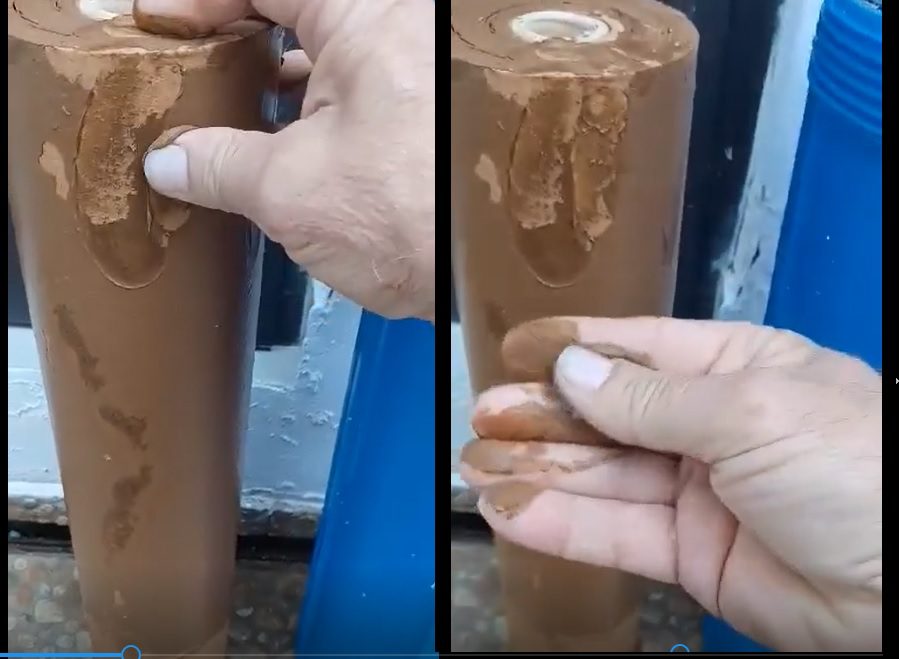
The video below shows a routine water filter replacement from a Cyprus installation. It should not be used as proof that all tap water is unsafe, but it does show why many homes prefer extra filtration after the water enters the property.
MOST COMMON
Hard Water & Limescale
Hard water is very common in Cyprus and can cause white deposits in kettles, taps, shower glass, boilers and appliances.
DRINKING WATER
Chlorine Taste & Smell
Some people notice chlorine taste or smell, especially where treated or desalinated water is part of the supply mix.
BUILDING FACTOR
Tanks & Old Pipework
Roof tanks, older internal pipes and poor maintenance can affect the final water quality at the kitchen tap.
See Common Water Problems →
Important: Safe Does Not Always Mean Perfect
The official reports generally support that Cyprus municipal water is safe from a regulatory point of view. But “safe to drink” is not the same as “ideal for taste, appliances or every building.”
A home can have officially compliant water and still experience chlorine smell, hard water, limescale, sediment from tanks, high TDS, unpleasant taste or problems caused by old internal pipework.
This is the main reason many Cyprus homes use water filters, water softeners or reverse osmosis systems.
Tap Water vs Bottled Water vs Reverse Osmosis
The best choice depends on what matters most to you: official safety, taste, convenience, cost, plastic waste or drinking water quality.
| Factor | Tap Water | Bottled Water | Reverse Osmosis |
|---|---|---|---|
| Main Use | General daily water | Drinking water | Drinking and cooking water |
| Cost Over Time | Low | High recurring cost | Usually lower than bottled water long term |
| Convenience | Very convenient | Requires carrying and storage | Filtered water directly from your tap |
| Plastic Waste | None | High | Very low |
| Best For | Washing, cleaning and general use | Short-term convenience | Better drinking water at home |
Quick Comparison: Is Tap Water Enough?
| Question | Tap Water in Cyprus |
|---|---|
| Safe to drink? | ✓ Yes, municipal tap water is generally considered safe and monitored. |
| Taste preferred by everyone? | ✕ No, many people dislike the taste because of chlorine, hardness or desalinated water characteristics. |
| Chlorine taste possible? | ✓ Yes, chlorine taste or smell is possible in some areas and properties. |
| Limescale minerals present? | ✓ Yes, hard water minerals are common in many Cyprus homes. |
| Requires bottled water? | ✕ No, bottled water is a preference, not a requirement for most households. |
FREE WATER ANALYSIS
Not Sure What Is in Your Tap Water?
WaterFilterNet.com can check hardness and TDS levels and help you choose the correct drinking water or whole-house filtration solution based on your actual property conditions.
Who Should Consider Reverse Osmosis in Cyprus?
Reverse osmosis is mainly used for drinking and cooking water. It is especially useful for homes that want better taste, lower TDS and a practical alternative to bottled water.
Families
For households that drink and cook with filtered water every day.
Bottled Water Users
For people tired of carrying, storing and buying bottled water.
Tea & Coffee Drinkers
For better taste in drinks, cooking and daily hydration.
Tap Water Conditions Across Cyprus
Water experience can vary by district, building, storage tank condition, local water source and internal pipework. This is why testing your actual tap water is more useful than relying only on general advice.
Nicosia
Taste and mineral levels may vary depending on the area, supply mix and building storage conditions.
Limassol
Hard water, chlorine taste and storage systems are common reasons people install filtration.
Larnaca
Many households notice limescale, taste differences and mineral build-up around taps and kettles.
Paphos & Famagusta
Local supply, seasonal demand and storage conditions can affect the final drinking water experience.
COMMON QUESTION
Do Locals Drink Tap Water in Cyprus?
Yes, many people in Cyprus drink tap water every day. Municipal water supplies are monitored and generally considered safe under European Union drinking water standards. However, drinking habits vary considerably between households.
While some residents drink tap water directly, many others choose water filters, reverse osmosis systems or bottled water. In most cases, the decision is based on taste preferences rather than safety concerns.
Some Drink Tap Water
Many households are comfortable drinking municipal tap water without additional treatment.
Many Use Filters
Water filters and reverse osmosis systems are popular for improving taste and reducing dissolved minerals.
Some Buy Bottled Water
Some residents still prefer bottled water, although many are switching to home filtration systems to save money and reduce plastic waste.
Hotels Often Filter Water
Many hotels, restaurants, offices and commercial properties use filtration systems to improve water quality and consistency.
The main reason many people filter their water in Cyprus is taste. Hard water minerals, chlorine and desalinated water characteristics can affect flavour, even when the water meets safety standards.
Frequently Asked Questions
Can tourists drink tap water in Cyprus?
Yes, municipal tap water is generally considered safe under official drinking water standards. Some tourists still prefer bottled or filtered water because of taste.
Why does Cyprus tap water taste like chlorine?
Chlorine is used in water treatment to help keep water microbiologically safe through the distribution network. Some people are more sensitive to the taste and smell.
Is reverse osmosis necessary in Cyprus?
Not always. Reverse osmosis is not required for everyone, but it is a strong option for people who want better drinking water taste, lower TDS and less reliance on bottled water.
Should I test my water before choosing a filter?
Yes. Testing hardness and TDS helps choose the right solution for your actual property instead of guessing based on city or general advice.
CYPRUS WATER FILTRATION SPECIALISTS
Choose the Right Drinking Water Solution for Your Home
WaterFilterNet.com helps homes and businesses across Cyprus choose practical drinking water and whole-house filtration systems based on hardness, TDS, taste and property conditions.
Serving Nicosia, Limassol, Larnaca, Paphos, Famagusta, Ayia Napa, Protaras, Paralimni and surrounding areas.
Related Water Filtration Solutions
Main Supply Filters
For whole-property filtration and protection at the water entry point.
Final Recommendation
Yes, you can generally drink municipal tap water in Cyprus from an official safety perspective. The latest publicly available official result files we found cover 2023 and generally show broad compliance with drinking water regulations.
However, many residents still choose filtration because of taste, chlorine smell, hard water, limescale, storage tanks, internal pipework and convenience compared with bottled water.
For drinking and cooking water, reverse osmosis is one of the strongest options. For limescale and hard water throughout the property, a water softener or main supply filter may also be needed. The safest first step is to test your water before choosing a system.
NEED HELP CHOOSING?
Need Advice About Your Water?
Whether you are concerned about hard water, chlorine taste, storage tanks, limescale or drinking water quality, our team can help you identify the most suitable solution for your home or business in Cyprus. Hard water, chlorine taste, desalinated water characteristics, storage tanks and older internal pipework are among the most common water problems in Cyprus homes.
Stavros is a professional water quality specialist and holds an extensive knowledge of various water filtration technologies, including reverse osmosis, water softeners, water purification systems and additional water treatment techniques for residential and commercial use. He has written extensively on the subject of water filtration and treatment, with his work appearing in industry publications such as Water Technology and Water Quality Products.
In addition to his professional work, Stavros supports the environmental sustainability and is committed to promoting eco-friendly water filtration solutions. He believes that everyone has to have access to clean, safe drinking water and is dedicated to helping people achieve this goal.
Stavros resides in Larnaca Cyprus with his family and enjoys sailing. He can be reached at tel: +357 99626069 and is available to provide expert advice on all aspects of water filtration systems, including installation, maintenance, and replacement filters.
- How to Use SodaStream Duo – Step by Step Guide - June 30, 2026
- 12 Easy Homemade SodaStream Recipes & Natural Soda Syrups - June 25, 2026
- Tankless Reverse Osmosis Systems Cyprus: Tankless vs Traditional RO Tanks - June 8, 2026