
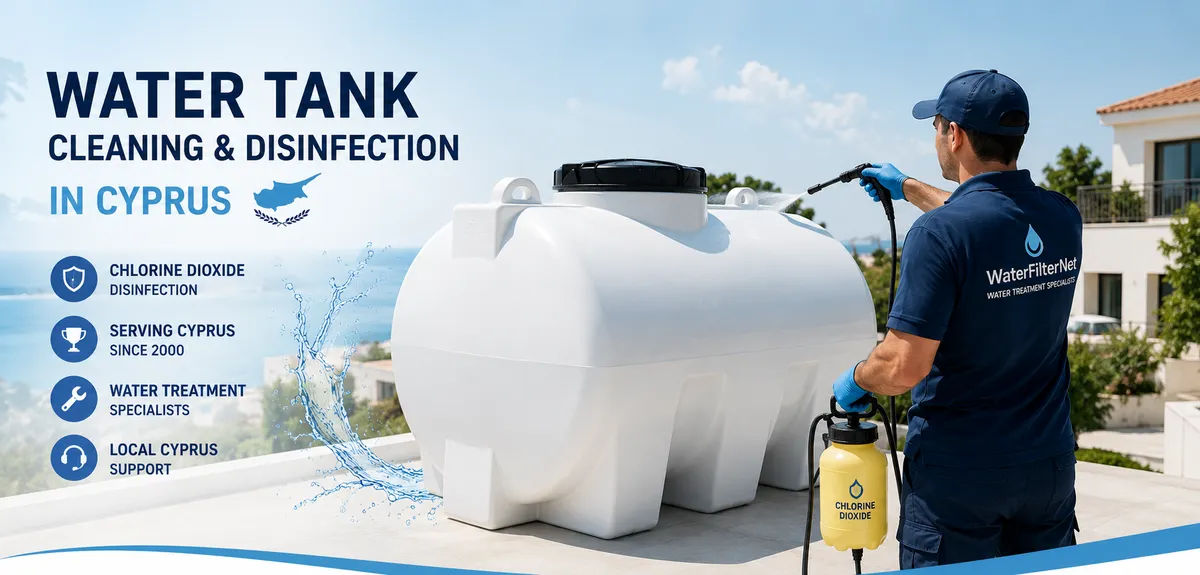
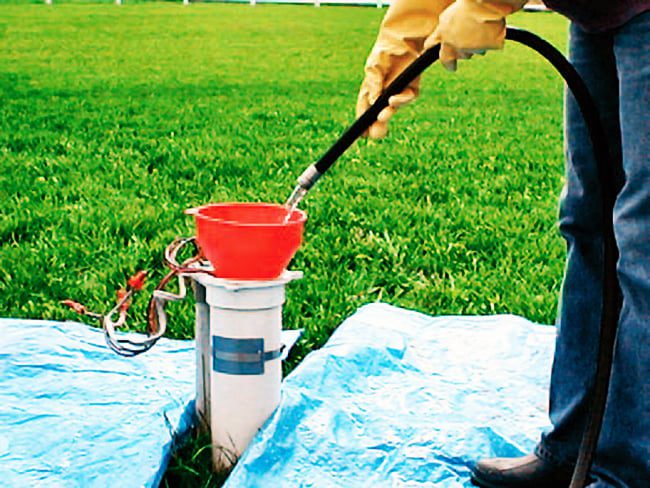
Water Tank Cleaning and Disinfection in Cyprus
200,00 €
Water tanks that are not regularly cleaned can develop sediment, biofilm and contamination, affecting water quality and increasing maintenance needs.
- ✅ Complete cleaning process: Draining, internal cleaning, removal of accumulated dirt and sediment, rinsing, disinfection and final flushing.
- ✅ Service areas: Nicosia, Limassol, Larnaca, Famagusta, Paralimni, Protaras and Ayia Napa.
- ✅ Residential & commercial tanks: For homes, apartment buildings, hotels, restaurants, offices and other commercial properties, with tanks from approximately 1,000 to 10,000 litres. Larger installations are available by quotation.
- ✅ Additional water protection: Optional Big Blue whole-house filtration, water disinfection and reverse osmosis solutions are available where additional water treatment is needed.
Description
Professional Water Tank Cleaning and Disinfection in Cyprus
Professional water tank cleaning and disinfection helps maintain cleaner stored water by removing accessible sediment, sludge, dirt and deposits before appropriate disinfection is carried out. Our service is available for homes, apartment buildings, restaurants, cafés, hotels, offices and commercial properties across Nicosia, Limassol, Larnaca, Famagusta and surrounding areas.
What is professional water tank cleaning?
Professional water tank cleaning involves draining the tank, physically removing accessible sediment and deposits, cleaning internal surfaces, rinsing, disinfecting and preparing the tank for normal operation. Depending on the installation, treatment of connected pipework may also form part of the agreed scope.
- Complete internal cleaning: Draining, sediment removal, surface cleaning, rinsing and disinfection.
- Chlorine dioxide disinfection: Used for microbiological control in applicable water-tank and water-system treatments.
- Residential & commercial: Homes, apartment buildings, hotels, restaurants, offices and other premises.
- Prevention solutions: Filtration and other appropriate water-treatment options can be considered after cleaning.
Common Water Tank Problems We Solve in Cyprus
Water storage tanks across Cyprus can accumulate sediment, sludge, deposits and other contamination over time. Tanks with poor maintenance history, limited access or long periods between cleaning can require more extensive physical cleaning before disinfection.
🧫 Sediment in the Tank
Fine sand, dirt, rust particles and mineral deposits can settle at the bottom of storage tanks. Physical cleaning removes accessible accumulated material.
🌊 Cloudy or Discoloured Water
Accumulated sediment or contamination in a storage tank can contribute to cloudy or discoloured water. Inspection helps identify whether the tank requires cleaning.
🦠 Microorganisms & Biofilm
Microorganisms and biofilm can develop on surfaces within tanks and connected water systems. Physical cleaning and appropriate disinfection can form part of the control measures.
👃 Unusual Taste or Odour
Stagnant water, sediment and other contamination can contribute to unusual tastes or odours. The cause should be assessed before selecting the appropriate corrective action.
🪨 Sludge & Heavy Deposits
Long periods without maintenance can allow heavier deposits and sludge to build up on the tank floor and other accessible surfaces.
🏚️ Unknown Maintenance History
Older tanks or tanks with no clear service history may benefit from inspection so their condition and cleaning requirements can be assessed.
Why We Use Chlorine Dioxide for Water Tank Disinfection
Physical cleaning removes accessible sediment, sludge and deposits from a water tank. Disinfection is a separate stage used to help control microorganisms after cleaning and, where appropriate, may also be applied to connected parts of the water system.
WaterFilterNet uses chlorine dioxide for applicable disinfection work. The treatment method, concentration and contact time depend on the intended application, system conditions and applicable product instructions.
What is chlorine dioxide?
Chlorine dioxide is a water-treatment disinfectant used for microbiological control in a range of water-system applications. Its suitability, concentration and contact time depend on the intended use, product authorisation and treatment conditions.
It can be used in applications including water storage tanks, pipework and distribution systems. Where a product is used for drinking-water applications, it must be authorised for the relevant use and applied according to the applicable product conditions and instructions.
🦠 Microbiological Control
Chlorine dioxide is used in water-treatment applications as a disinfectant for microbiological control.
🧱 Biofilm Control
Biofilm can develop on surfaces inside tanks and pipework. Physical cleaning removes accessible deposits, while disinfection can form part of wider measures used to control microorganisms associated with biofilm.
⚙️ Controlled Application
The treatment method, concentration and contact time are selected according to the application, system conditions and applicable product instructions.
🔧 Tanks & Pipework
Where appropriate, chlorine dioxide may be used for tanks and agreed sections of connected pipework as part of a wider cleaning and disinfection procedure.
Cleaning & Disinfection Based on Cyprus Requirements and Official Guidance
WaterFilterNet.com / ERMAKO LIMITED carries out water-tank and water-system cleaning and disinfection with reference to the applicable Cyprus regulatory framework, official guidance and authorised conditions of use of the biocidal products used.
🏛 Cyprus Legionella Guidance
The Cyprus Department of Labour Inspection identifies measures including periodic cleaning and disinfection of tanks and pipework, flushing of low-use outlets, temperature control, monitoring and laboratory analysis where required.
🧾 Service Documentation
Where applicable, treatment documentation can record the disinfectant used, relevant treatment parameters, field measurements, observations and recommendations relating to the work performed.
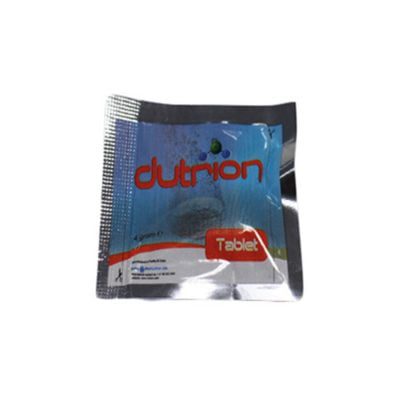
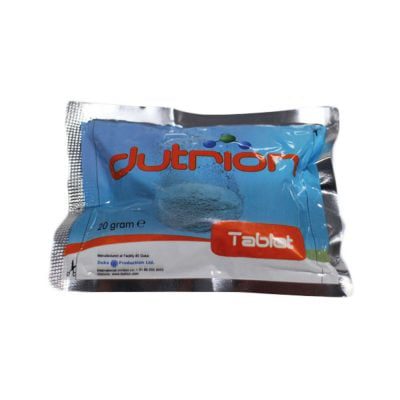
✓ Dutrion Chlorine Dioxide — Listed in the Cyprus Biocides Register
For applicable disinfection work, WaterFilterNet uses Dutrion Chlorine Dioxide. Dutrion is listed in the Cyprus Department of Agriculture’s March 2026 register of authorised biocidal products under licence B1844.
The official register lists Dutrion for Product Types 2, 3, 4, 5, 11 and 12. Product Type 5 relates to products used for drinking-water disinfection.
Official Cyprus sources:
Cyprus Department of Labour Inspection — Legionella Prevention & Control ↗
Cyprus Department of Agriculture — Authorised Biocidal Products ↗
Product authorisation applies to the biocidal product and its authorised uses. It does not constitute government certification or approval of WaterFilterNet.com / ERMAKO LIMITED as a contractor. Treatment procedures are selected according to the application, site conditions and applicable product instructions.
⚠️ Important Note
The exact disinfection procedure depends on tank size, water usage, system design, accessibility and site conditions. Every installation is different, so the appropriate cleaning and disinfection procedure is selected according to the individual project.
Our Water Tank Cleaning and Disinfection Process
Our service follows a structured cleaning and disinfection procedure designed to remove accessible sediment, sludge, dirt and deposits before disinfection. The exact sequence can vary according to tank size, condition, access and system design.
1️⃣ Initial Inspection
The tank is inspected to assess its condition, accessibility and visible contamination before work begins.
2️⃣ Tank Draining
The tank is drained where required to allow access to internal surfaces and accumulated material.
3️⃣ Sediment Removal
Accessible sediment, sludge, dirt and loose deposits are physically removed from the tank.
4️⃣ Internal Cleaning
Tank walls, corners and other accessible internal surfaces are cleaned to remove visible residue and deposits.
5️⃣ System Rinsing
The tank is rinsed to remove loosened material before the disinfection stage.
6️⃣ Chlorine Dioxide Disinfection
The tank is disinfected using chlorine dioxide. The treatment procedure is selected according to the application, system conditions and applicable product instructions.
7️⃣ Final Flush & Recommissioning
Following the treatment, the tank or agreed system section is flushed and returned to normal operation as appropriate for the installation.
8️⃣ Recommendations
Where relevant, we provide recommendations for filtration, maintenance, monitoring or further water-system investigation.
Concerned About Legionella?
Routine water tank cleaning and disinfection should not be confused with investigating or treating a confirmed Legionella problem. Legionella may be present in a storage tank, but it can also occur in downstream pipework, showers, taps and low-use outlets.
Professional cleaning can physically remove sediment, deposits and accessible contamination from the tank, while appropriate disinfection can help control microorganisms in the treated areas. However, tank cleaning or disinfection alone cannot guarantee the absence of Legionella or complete removal of established biofilm throughout an entire building water system.
Read our Legionella in Cyprus guide, learn about Legionella testing, or see how we approach Legionella treatment in Cyprus.
Cleaning & Disinfection Service Documentation
Following the work, customers can receive service documentation recording the cleaning and disinfection work performed and relevant treatment details where applicable. This documents the service carried out; it is not a laboratory water-quality certificate and does not certify the absence of Legionella or other microorganisms.
Professional Water Tank Cleaning, Prevention & Commercial Solutions
Professional Water Tank Cleaning vs DIY Cleaning
Basic inspection and maintenance may be possible for some property owners, but thorough cleaning and disinfection of a storage tank can require safe access, removal of accumulated material, appropriate disinfection and controlled recommissioning.
| Feature | Professional Service | Basic DIY Cleaning |
|---|---|---|
| Sediment Removal | ✅ Physical removal where accessible | ⚠ May be limited |
| Tank Inspection | ✅ Included | ⚠ Depends on experience |
| Disinfection | ✅ Applied where included and appropriate | ⚠ Often not part of basic cleaning |
| Biofilm Control Measures | ✅ Cleaning + disinfection where relevant | ⚠ May be incomplete |
| Pipework Consideration | ✅ Can be considered where relevant | ⚠ Often not assessed |
| Service Documentation | ✅ Available | ❌ Normally unavailable |
⚠️ Why Maintenance Matters
Sediment, sludge and deposits can build up over time. Regular inspection and appropriate cleaning can reduce heavy accumulation and make ongoing maintenance easier.
Protect Your Water Tank After Cleaning
Cleaning removes contamination and deposits already present, but it cannot prevent new sediment, dirt or rust particles from entering the system in the future. Appropriate filtration and system maintenance can help reduce future accumulation.
🚰 Filtration Before the Tank
Suitable sediment filtration before the storage tank can help reduce suspended dirt, rust particles and sediment entering the tank.
💧 Filtration After the Tank
Filtration after the tank can help capture suspended particles before the water reaches downstream plumbing and equipment.
🛡️ Additional Water Hygiene Measures
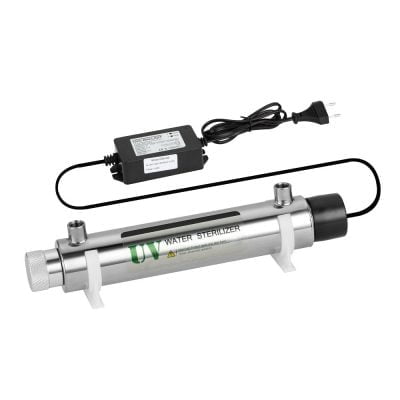
UV disinfection and other appropriate water-treatment systems can provide an additional control measure for microorganisms depending on water quality and system design.
🔧 Protect Plumbing & Equipment
Reducing suspended sediment can help protect taps, showers, boilers, heaters, washing machines, filters and other connected equipment.
Learn more about our whole-house filtration systems and water disinfection and sterilisation solutions.
Commercial Water Tank Cleaning
WaterFilterNet provides cleaning and disinfection services for apartment buildings, hotels, restaurants, cafés, offices and other commercial premises across the areas we serve in Cyprus. Commercial projects are assessed individually according to tank size, access, water usage and site requirements.
🏢 Apartment Buildings
Cleaning and disinfection for communal water-storage tanks serving residential buildings and complexes.
🏨 Hotels & Accommodation
Site-specific cleaning and disinfection for larger hospitality water-storage systems.
🍽️ Restaurants & Cafés
Tank cleaning for premises where stored water supports food preparation, cleaning and daily operations.
🏢 Offices & Commercial Buildings
Cleaning and disinfection for storage tanks serving staff kitchens, washrooms and building services.
Large Water Tanks & Commercial Installations
We have experience with tanks from approximately 1,000 litres to 10,000 litres, with larger systems considered by quotation. Commercial projects are assessed individually according to accessibility, tank configuration, water usage and the required scope of work.
Why Choose WaterFilterNet for Tank Cleaning in Cyprus
🏆 Serving Cyprus Since 2000
WaterFilterNet has been serving homes and businesses in Cyprus since 2000 with water-treatment products and services.
🔧 Water Treatment Experience
Our work includes filtration, reverse osmosis, water softening, disinfection and related water-treatment systems.
🧾 Service Documentation
Relevant cleaning, disinfection and treatment details can be documented following the work where applicable.
📞 Local Support
Speak directly with a Cyprus-based water-treatment company before and after the service.
Service Areas Across Cyprus
Our water tank cleaning and disinfection service is available in:
Water Tank Cleaning — Frequently Asked Questions
How often should a water tank be cleaned in Cyprus?
The appropriate cleaning frequency depends on tank condition, water source, usage, environment and maintenance history. Regular inspection can help determine when cleaning is required.
What are the signs that a water tank may need cleaning?
Possible signs include visible sediment, debris, cloudy or discoloured water, unusual tastes or odours, or a long period without inspection or cleaning.
Can bacteria and biofilm develop inside a water tank?
Yes. Microorganisms and biofilm can develop on surfaces in water tanks and pipework when conditions allow. Physical cleaning, maintenance and appropriate disinfection can form part of water-hygiene control measures.
Why do you use chlorine dioxide for disinfection?
Chlorine dioxide is used for microbiological control in a range of water-treatment applications, including water tanks and water systems. We use an appropriately authorised product for applicable work and select the treatment procedure according to the application, system conditions and product instructions.
Do you clean apartment buildings and commercial water tanks?
Yes. We provide water tank cleaning and disinfection for apartment buildings, residential complexes, restaurants, cafés, hotels, offices and other commercial premises across the areas we serve in Cyprus.
What tank sizes do you clean?
We have experience with tanks from approximately 1,000 litres to 10,000 litres. Larger systems can be assessed and quoted individually.
Can you disinfect pipework as well as the tank?
Where appropriate and included in the agreed scope, connected pipework can also be considered for disinfection. The procedure depends on the system design and reason for treatment.
Does tank cleaning prove that the water is free from Legionella?
No. Cleaning and disinfection document the treatment performed but do not prove the absence of Legionella or other microorganisms. Where microbiological confirmation is required, appropriate sampling and laboratory analysis are necessary.
Related Water Treatment Solutions
Depending on the condition of your water system, cleaning may be combined with other water-treatment measures.
🚰 Whole-House Filtration
Helps reduce suspended sediment, dirt and rust particles entering or travelling through the water system.
🛡 Water Disinfection Systems
Additional disinfection solutions may be appropriate depending on water quality, system design and treatment objectives.
💧 Reverse Osmosis Systems
Reverse osmosis is designed for drinking-water treatment and can help reduce dissolved salts and unwanted substances at the point of use.
🔍 Water Problems in Cyprus
Learn about sediment, hard water, chlorine, Legionella concerns and other water-quality issues affecting homes and businesses.
⚠️ Before Requesting a Quote
To help us assess the work accurately, please provide as much of the following information as possible:
- Property location
- Number of water tanks
- Approximate tank capacity
- Residential or commercial property
- Tank accessibility and location
- Whether pipework treatment is also being considered
- Any known contamination, water-quality issue or laboratory result
Need Professional Water Tank Cleaning and Disinfection in Cyprus?
Contact WaterFilterNet to discuss your tank size, location, accessibility and required scope of work. We provide cleaning and disinfection services for residential, communal and commercial water-storage systems across the areas we serve in Cyprus.
Available across Nicosia, Limassol, Larnaca, Famagusta, Paralimni, Protaras and Ayia Napa.

Stavros is a professional water quality specialist and holds an extensive knowledge of various water filtration technologies, including reverse osmosis, water softeners, water purification systems and additional water treatment techniques for residential and commercial use. He has written extensively on the subject of water filtration and treatment, with his work appearing in industry publications such as Water Technology and Water Quality Products.
In addition to his professional work, Stavros supports the environmental sustainability and is committed to promoting eco-friendly water filtration solutions. He believes that everyone has to have access to clean, safe drinking water and is dedicated to helping people achieve this goal.
Stavros resides in Larnaca Cyprus with his family and enjoys sailing. He can be reached at tel: +357 99626069 and is available to provide expert advice on all aspects of water filtration systems, including installation, maintenance, and replacement filters.
- How to Use SodaStream Duo – Step by Step Guide - June 30, 2026
- 12 Easy Homemade SodaStream Recipes & Natural Soda Syrups - June 25, 2026
- Tankless Reverse Osmosis Systems Cyprus: Tankless vs Traditional RO Tanks - June 8, 2026
Reviews
There are no reviews yet.